



Artificial Intelligence is evolving at lightning speed, and at the center of this revolution are language models. These models are not just powering chatbots anymore—they’re writing code, interpreting images, making business decisions, and even creating art.
But here’s the thing: not all language models are built alike. You’ll hear about LLMs (Large Language Models), SLMs (Small Language Models), and VLMs (Vision-Language Models). Each serves different purposes, comes with unique strengths and weaknesses, and is suited for specific use cases.
Let’s break them down.
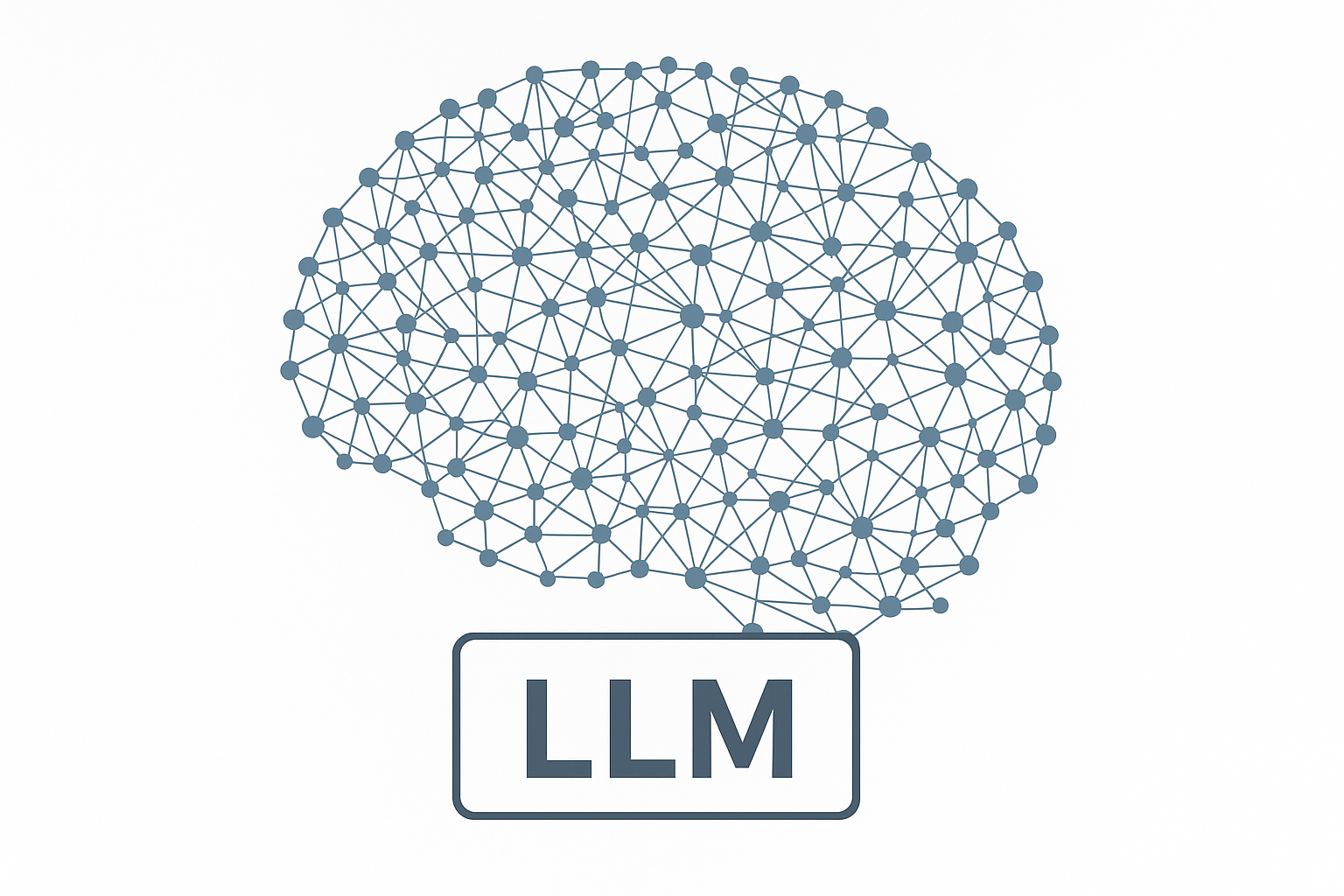
Large Language Models (LLMs)
LLMs are what most people think of when they hear “AI.” Examples include GPT-4, Claude, PaLM, and LLaMA. These are trained on massive datasets with billions (sometimes trillions) of parameters, which means they have a broad understanding of language, reasoning, and problem-solving.
They can:
Generate essays, blogs, and marketing copy
Assist with coding (e.g., GitHub Copilot powered by Codex)
Summarize lengthy research papers
Brainstorm creative ideas
Act as general-purpose assistants
Use Case Example:
Imagine a global law firm. Lawyers need to analyze huge case histories, legal documents, and jurisdictional variations. An LLM can scan through thousands of legal precedents and draft a summary in minutes—something a smaller model simply couldn’t manage due to the scale of knowledge required.
Input (text query) → Tokenizer → Neural Network (billions of layers) → Contextual Reasoning → Output (generated text)
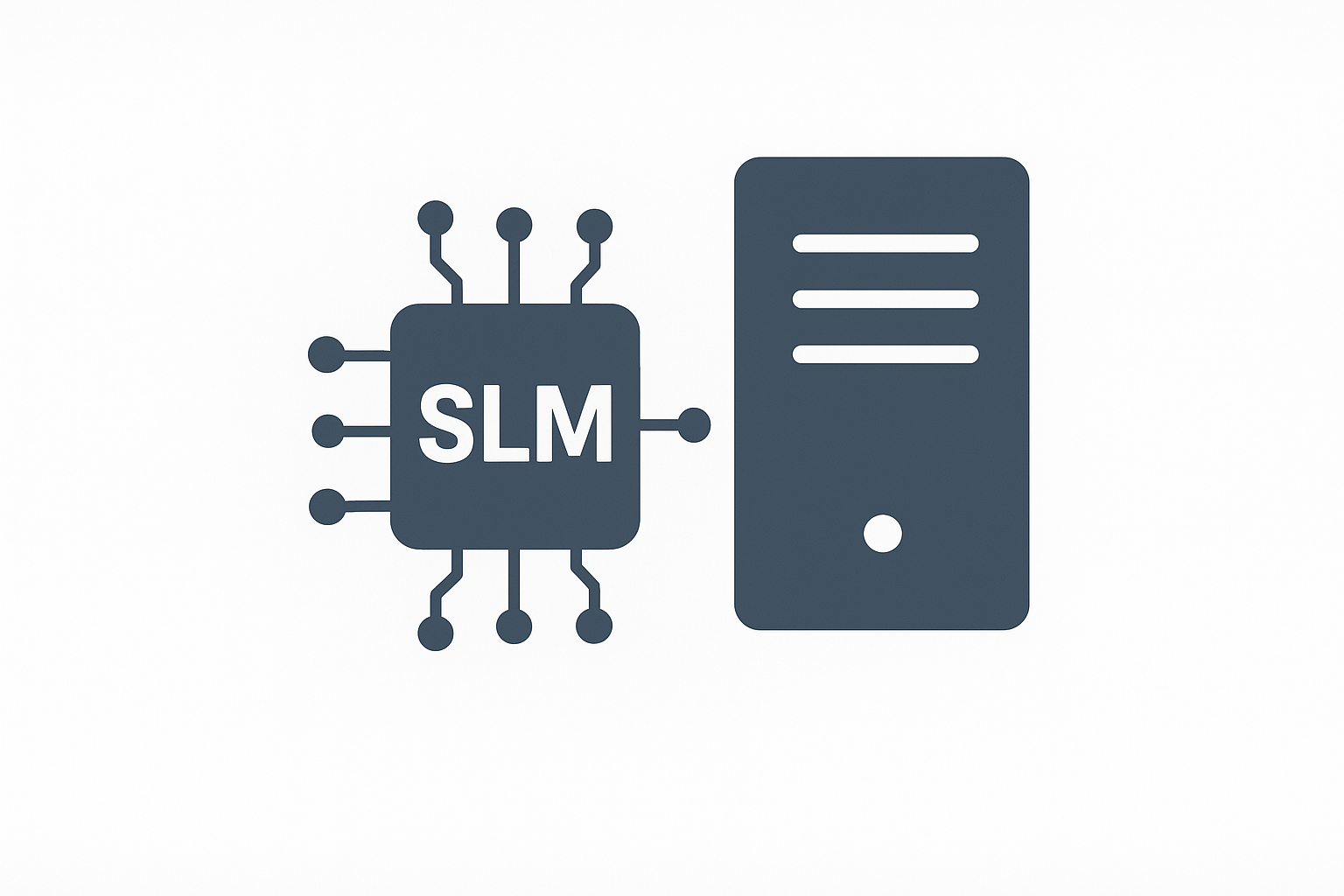
Small Language Models (SLMs)
SLMs are like the younger siblings of LLMs. They are smaller, faster, and cheaper, but not as all-knowing. They have fewer parameters (millions instead of billions) and are optimized for specific tasks rather than general intelligence.
They can:
Power customer support chatbots that only need knowledge of FAQs
Run offline on devices (e.g., smart speakers, industrial machines)
Provide real-time results with very low latency
Offer better privacy, since they can run locally without sending data to the cloud
Use Case Example:
A bank’s mobile app could use an SLM to answer basic customer queries like “What’s my account balance?” or “How can I reset my PIN?” Since these tasks are domain-specific and repetitive, an SLM is faster, more cost-efficient, and safer than running everything through a huge LLM.
Input → Lightweight Neural Network → Domain-specific Knowledge → Output
AVision-Language Models (VLMs)
Unlike LLMs and SLMs, VLMs combine language understanding with visual data. They are designed to handle multi-modal inputs, text + images (and sometimes audio or video). Examples include GPT-4V, CLIP, and Flamingo.
They can:
Describe what’s in an image (“A dog sitting on a red sofa”)
Answer visual questions (“What does this chart show?”)
Help in medical imaging (analyzing X-rays and explaining results in text)
Support e-commerce (letting you upload a picture of shoes and finding similar ones)
Use Case Example:
In healthcare, a doctor could upload an MRI scan, and the VLM not only identifies anomalies but also generates a written explanation in natural language for the patient.
Image Input + Text Input → Vision Encoder + Language Encoder → Joint Reasoning → Output (Text or Text+Image)

How to choose between them
This is where things get practical. Choosing the right model depends on three major factors: scale, cost, and task complexity.
1. When to choose LLMs
You need deep reasoning, creativity, or domain transfer (law, research, complex Q&A).
You’re okay with higher costs (cloud servers, GPUs).
Example: A university research department analyzing thousands of papers.
2. When to choose SLMs
You want efficiency + affordability.
The task is domain-specific (banking, customer service, IoT).
You care about privacy (running locally, no cloud dependency).
Example: A startup chatbot that only answers product FAQs.
3. When to choose VLMs
You’re dealing with images, diagrams, or multi-modal data.
You want AI that can “see” and “explain.”
Example: An e-commerce company that lets customers upload a photo and search for products.
Architecture of choice-Making
Here’s a simplified workflow to think about choosing the right model:
Suggested Horizontal Diagram (like we generated for Context-Aware AI):
Input → Context Manager → [LLM / SLM / VLM Decision Layer] → Memory → Output
The future of language models
The future isn’t about choosing one model over another; it’s about using them together smartly. A hybrid ecosystem of LLMs, SLMs, and VLMs will allow businesses and individuals to tap into the right model at the right time.
Think of it like having three specialists on your team:
The LLM is your “big brain” generalist.
The SLM is your “fast and efficient” assistant.
The VLM is your “visual storyteller.”
Together, they form a powerful AI stack.
Join AIAgentFabric.com today to discover, register, and market your AIAgents.


